
PSIRA Grades & Specialized Security Training
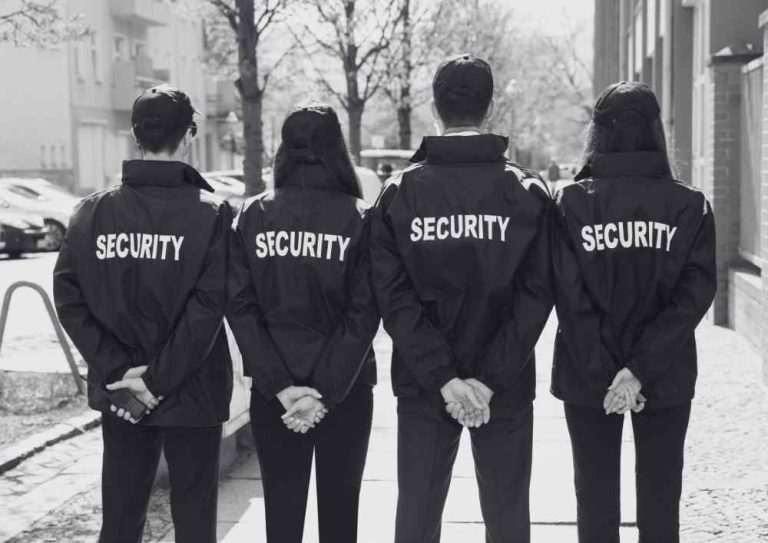
Build your security career with accredited, high-quality training designed to prepare you for real-world environments. At Security Educational Systems, we provide professional PSIRA Grades and specialized courses that equip you with the knowledge, confidence, and practical skills needed to excel in the Private Security Industry.
PSIRA Grades Overview
Progress through the PSIRA Grades in structured order, beginning with Grade E and advancing up to Grade A.
Grade E – Patrol Officer
Grade E introduces new officers to the foundations of the security industry:
- Basic duties and responsibilities
- Legal requirements
- Professional conduct
- Understanding the role of a Security Officer
Grade D – Access Control Officer
Learn how to manage access points effectively and safely. Training includes:
- Access control procedures
- Managing entry and exit points
- The principles of physical security (Deter, Detect, Delay)
- Protecting people, property, and assets
Grade C – Protection of Information Officer
A more advanced qualification preparing officers to:
- Protect classified and sensitive information
- Respond to emergencies
- Save lives during crises
- Conduct basic risk assessments
Grade C is the minimum requirement for all specialized security courses.
Grade B – Supervision
Develop leadership and supervisory skills. Officers are trained to:
- Supervise security officers
- Conduct on-the-job training
- Manage parades
- Handle flag protocols
- Maintain discipline and operational standards
Grade A – Management
The highest PSIRA qualification, preparing officers to:
- Manage entire sites and security operations
- Gather and handle evidence
- Lead investigations
- Communicate professionally with clients and staff
- Oversee and coordinate high-level security functions
Specialized Security Courses
These courses are available only once you have completed PSIRA Grade C or higher.
They provide advanced training for specialized environments and high-risk operations.
Reaction (Armed Response)
Training includes:
- Risk assessment
- Crime response procedures
- Tactical movement and safety
- Legal responsibilities for armed response
Cash-in-Transit (CIT)
CIT training covers:
- Secure transport of cash and valuables
- Procedures for collections and deliveries
- Responding to breakdowns, robberies, and emergencies
- Initial actions at crime scenes
Banking Security
Preparation for high-risk banking environments focusing on:
- Suspicious behavior identification
- Crime prevention techniques
- Reporting procedures
- High-value environment awareness
Retail Security
Training designed for retail environments, covering:
- Loss prevention
- Retail theft and fraud detection
- Customer behavior monitoring
- Retail risk management
Special Events Security
Training for securing large gatherings, including:
- Crowd control
- Event safety planning
- Communication protocols
- Emergency evacuation readiness
Career Paths in the Security Industry
Direct Roles
- Static Security
- Unarmed Guard
- Armed Security Officer
- Security Management (supervisory or managerial roles)
Advanced and Specialized Roles
- Instructor
- Bodyguard/Close Protection
- Senior Security Management
The Process
Training
- Complete PSIRA Grade courses (E–A) through class attendance, self-study, or online learning.
- After achieving Grade C or higher, select specialized courses such as Banking, Retail, Reaction, Special Events, or Cash-in-Transit.
Assessment
- Write the required exams for PSIRA Grades and specialized courses.
- Ensure you meet all PSIRA competence requirements.
Registration
- Register with PSIRA as a qualified security officer.
Ready to Start Your Training
Where Firearm Training Fits Into Your PSIRA Journey
1. Grades E → D → C (Core Security Path)
Before you can work in most operational security roles, you must complete:
- Grade E – PATROL OFFICER – The purpose of this training is to ensure that new raining officer are introduced professionally in the Private Security Industry and also know what is expected from them about upholding the Law as Security Officers
- Grade D – ACCESS CONTROL – To train Security Officer’s how to conduct Access Control at the egress point, and also to ensure that they know and understand how the 3 “D” principles of physical Security work in conjunction with Security Officer
- Grade C – PROTECTION OF INFORMATION OFFICER – To ensure that Security Officers with grade C are able to protect Classified information to civilians, also know how to conduct Emergency situation in their presence and to save lives in their designated areas and also be able can assess risk and deal with it professional.
Grade C is also a prerequisite for all specialized courses.
2. Recommended Stage for Firearm Training
You should ideally do firearm training immediately after completing Grade C, especially if your career path includes Armed Response & CIT roles.
Why after Grade C?
- Grade C positions you for supervisory or tactical roles, where firearms may be required.
- Only after obtaining Grade C can you expand into specialized courses such as:
- Armed Response Officer
- Cash-in-Transit
- Many companies prefer or require Grade C plus firearm competencies before hiring for armed positions.
3. What Firearm Training Includes
Depending on the role, firearm training may cover:
- Handle & Use of a Handgun
- Handle & Use of a Shotgun
- Handle & Use of a Self-Loading Rifle
- Legal compliance (Firearms Control Act 60 of 2000)
- Practical shooting assessments
- Business Purposes competencies (for security work)
- See how our firearm training works: (Firearm Training)
4. Example Training Path
Here’s a clear recommended sequence:
STEP 1 — Core Grades
- Grade E
- Grade D
- Grade C
STEP 2 — Firearm Competency
- Firearms Control Act 60 of 2000
- Handgun / Shotgun / Rifle Competency (Private & Business Use)
STEP 3 — Specialized Security Courses
- Armed Response
- CIT
- Special Events Security